Picking an engine parts supplier isn’t a price comparison. It’s a decision your business lives with for years. Wrong supplier and you’re explaining returns, chasing back orders, and watching customers walk.
A real engine parts supplier does more than ship boxes. They hand you fitment data that’s right, parts that are the same batch to batch, and supply that doesn’t dry up mid-season. If all you’re getting is a catalogue and a price list, you’re buying from a warehouse, not a supplier.
The engine aftermarket covers thousands of applications. Timing kits, bearings, rebuild parts, seals. Every line item carries a different engine code and a different fitment. An engine repair kit manufacturer who knows those applications cold saves you from stocking parts that don’t fit and SKUs that don’t move.
Why the supplier pick matters more than the part number
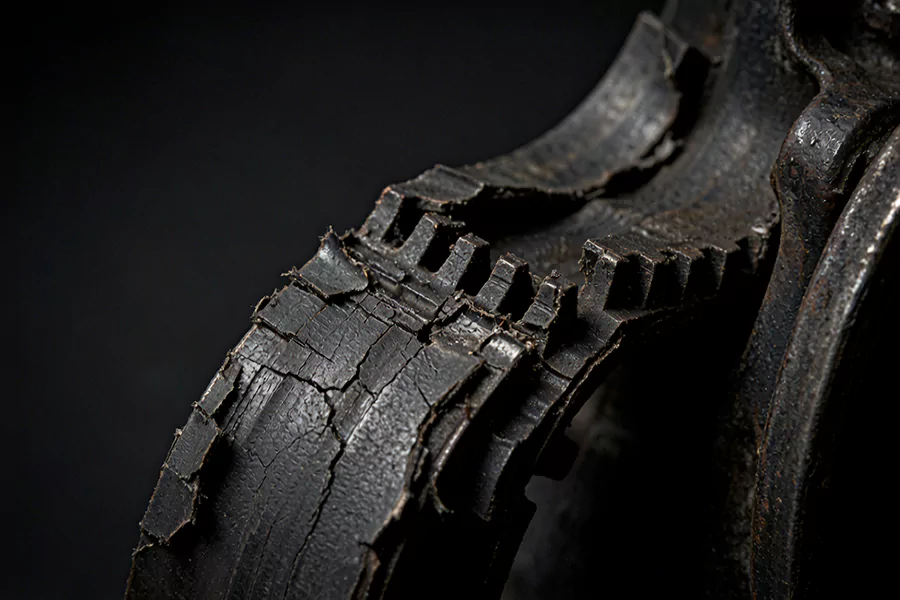
Engine internals don’t forgive. A timing belt that’s off one tooth width or a bearing shell that’s the wrong undersize doesn’t just fit poorly. It fails, and it fails inside an engine someone just paid to rebuild.
That’s the difference between inside-engine parts and a door handle. The handle might rattle. The wrong bearing wrecks a crank.
Engine components depend on:
- Engine code, not model name
- Cylinder layout and displacement
- Build year and market spec
- OE cross-references that actually match
A supplier who leans on “it fits the model” instead of “here’s the engine code” will burn you. The good ones know the applications and their data proves it.
What to check, in the order it matters
Product coverage
You don’t want ten suppliers for ten product lines. Chasing purchase orders across vendors eats time and creates gaps.
The range should cover what your customers actually ask for:
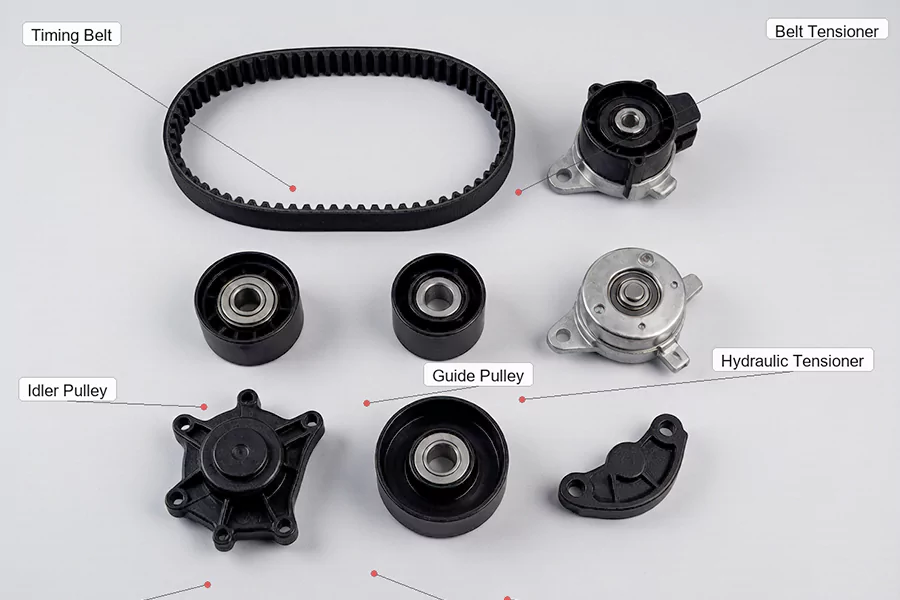
- Timing belt and chain kits
- Water pump kits
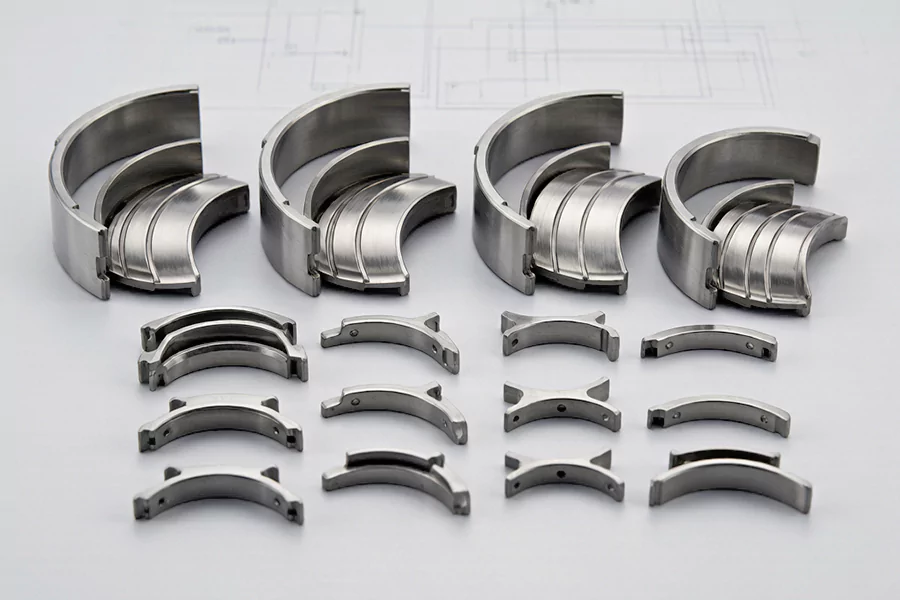
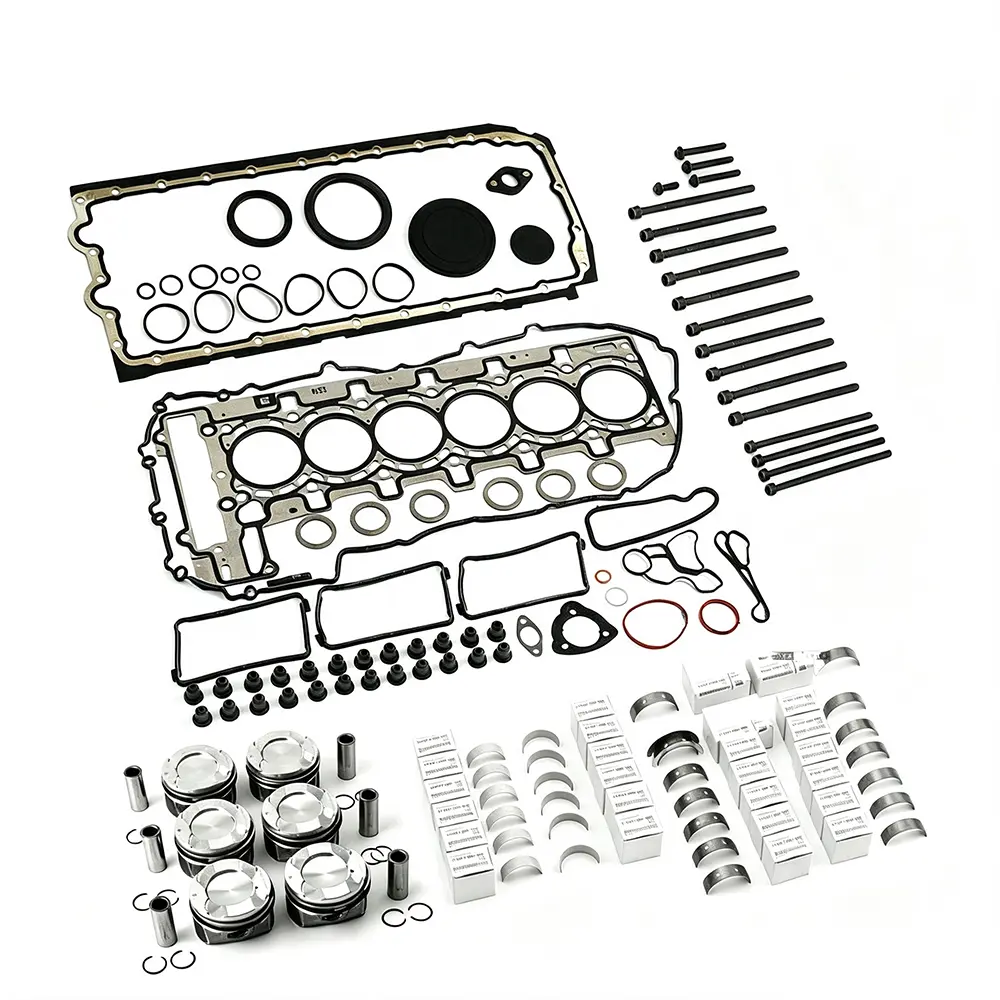
- Engine rebuild and bearing kits
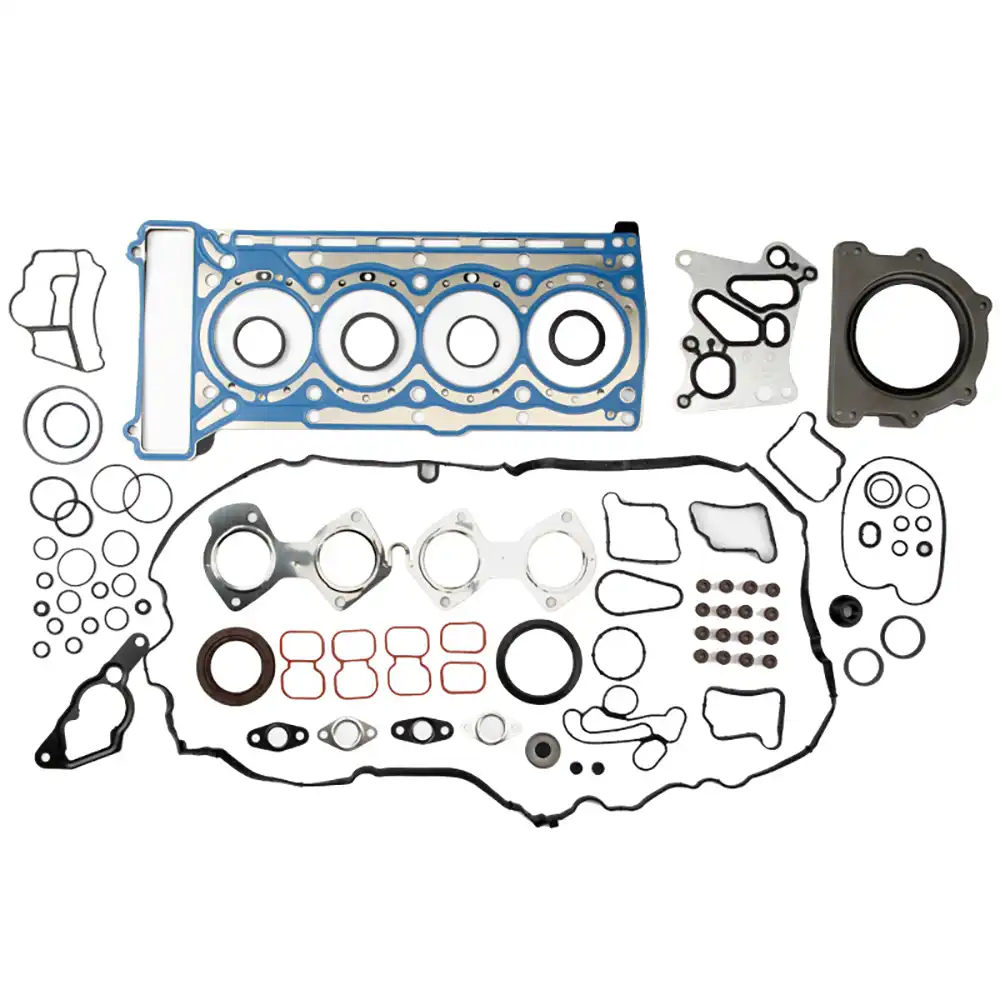
- Gaskets, seals, and the small parts people always need
The wider the coverage, the fewer suppliers you juggle. Fewer suppliers means fewer problems.
Fitment data
This is where most suppliers fail. They’ll send you a price list but can’t tell you which engine code the part fits.
A proper aftermarket engine parts supplier hands you:
- Vehicle applications by make, model, year, engine code
- OEM reference numbers that cross-reference correctly
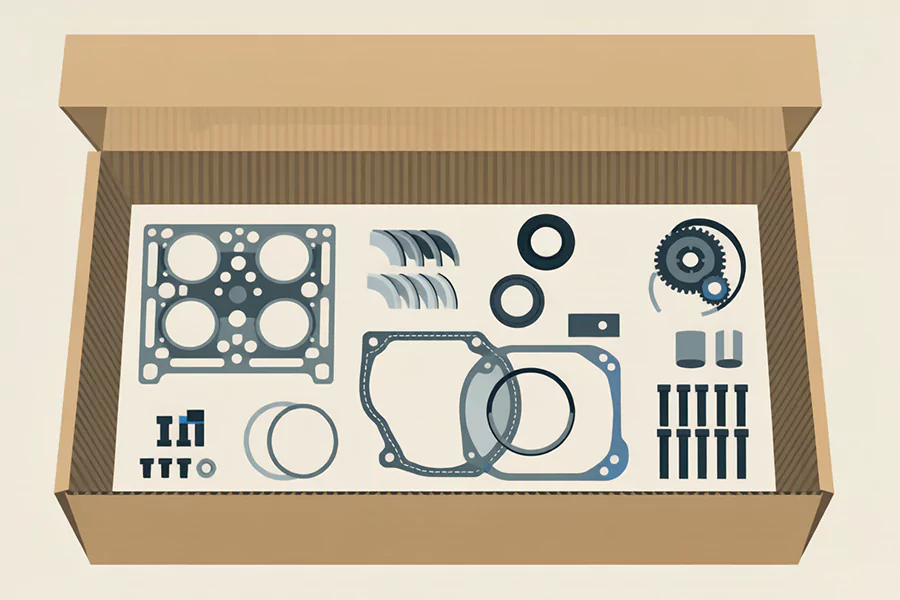
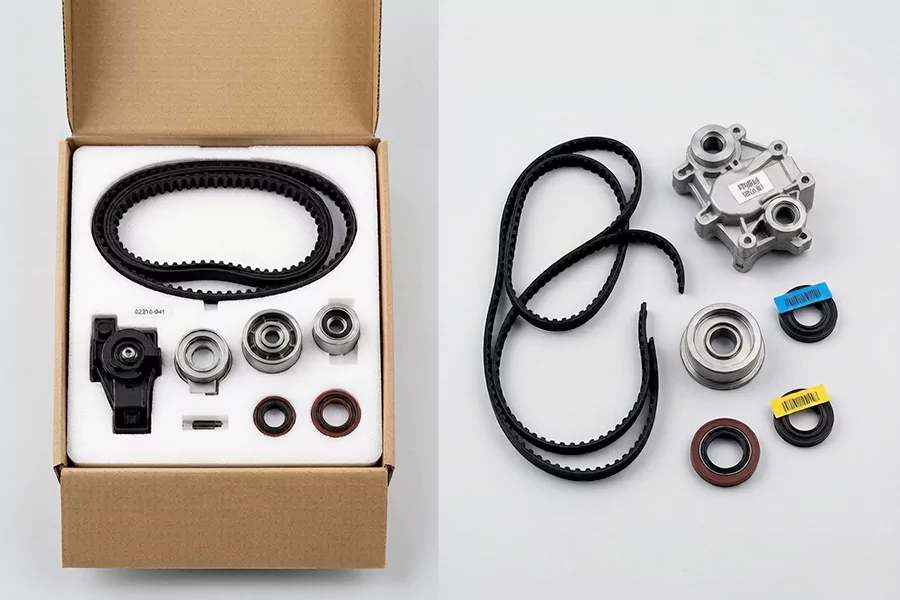
- Kit contents so you know exactly what’s in the box
- Technical specs for the parts that need them
If the data is wrong, the part is wrong. And you don’t find out until the shop opens the box.
Quality control
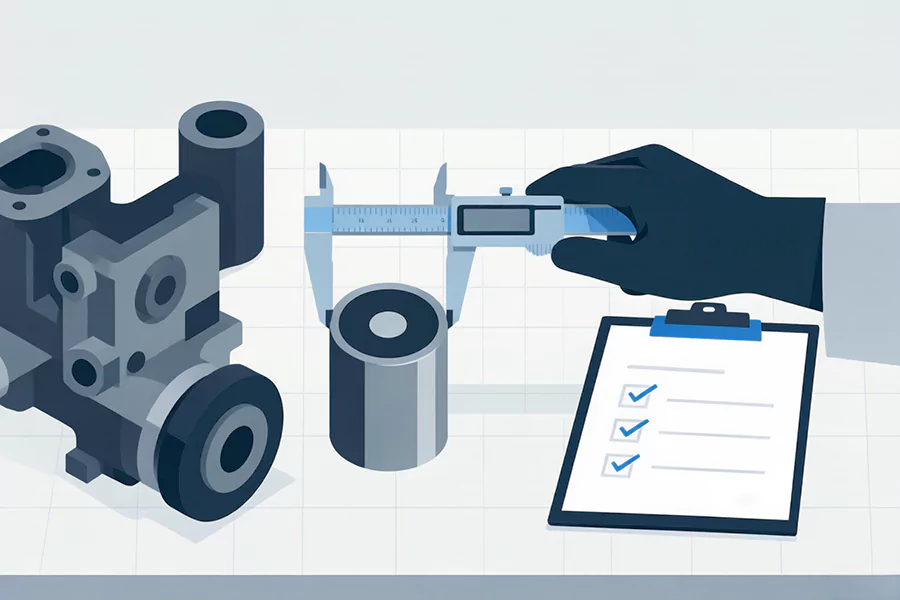
Engine parts operate in heat, under load, bathed in oil. A part that’s cheaper but fails early costs more than the margin you saved.
Ask three things:
Are the parts traceable? If a batch has a problem, you need to know which one.
What materials go into the parts? Different components need different alloys and compounds. Belts need heat resistance. Bearings need the right overlay.
How is production controlled? Raw material checks, line monitoring, finished-product testing. A vague answer means inconsistent batches.
Supply stability
A part you can’t get is a part you can’t sell. Lead times that stretch, stockouts without warning, and production that disappears are deal-breakers.
What keeps supply stable:
- Real production capacity, not brokered parts
- Inventory planning that accounts for lead times
- Packaging that survives international shipping
- Export paperwork handled properly
For a distributor filling orders across regions, one unreliable supplier ripples through the whole range.
Aftermarket experience
Engine parts aren’t a commodity. The trade has its own rhythms and its own problems.
An engine repair kit manufacturer who’s put time in the aftermarket understands that customers need:
Fitment that’s right the first time
Coverage that matches what shops actually rebuild
Communication that doesn’t take three days for a simple answer
Flexibility on order sizes and mix
Complete kits over single parts
The trade keeps moving from piecemeal to complete solutions. Shops want one box with everything in it. Distributors want fewer SKUs to track.
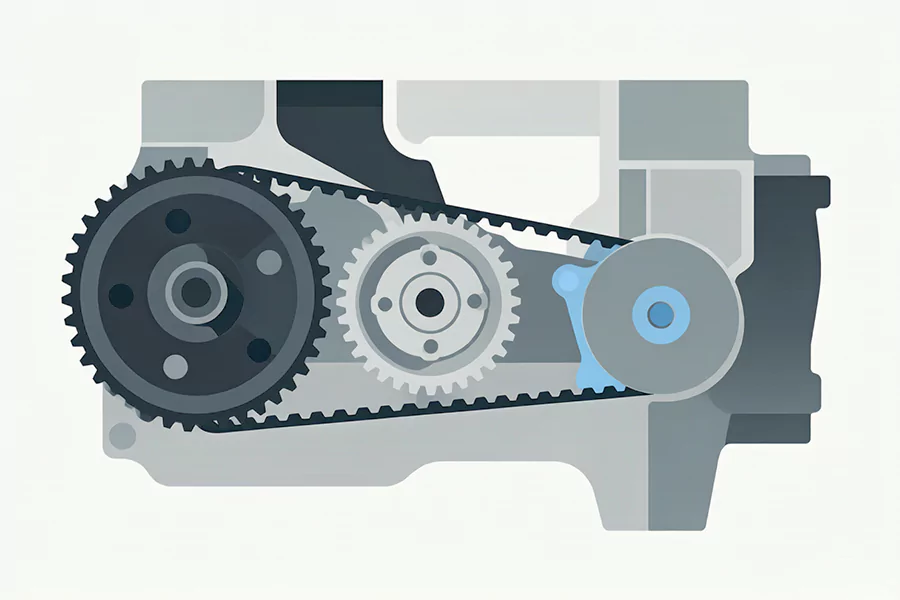
A belt timing repair kit that includes the tensioner and pulleys is easier to sell and stock than four separate part numbers. Same for bearing kits, rebuild kits, gasket sets. The supplier who offers complete kits makes your catalogue cleaner and your customers happier.
What usually goes wrong
The lowest price is the most common trap. A supplier who wins on price alone usually loses on something else:
- Fitment data that’s thin or wrong
- Quality that shifts between batches
- Coverage too narrow to grow your range
- Communication that goes quiet after the first order
Price matters. But a supplier who’s cheap and wrong costs you more than one who’s fair and accurate.
GELWERK: an aftermarket engine parts supplier built for the trade
GELWERK supplies engine components to distributors, wholesalers, and repair shops across global markets. The range covers timing systems, bearings, engine rebuild parts, and other internal engine components, matched to specific engine applications.
They keep a fitment database and check what they ship, because in this business the catalogue is the product. Whether you need a timing kit supplier, an engine repair kit manufacturer, or a long-term aftermarket engine parts supplier, the point stays the same: every part has to fit the engine it’s sold for, or the box is worthless.