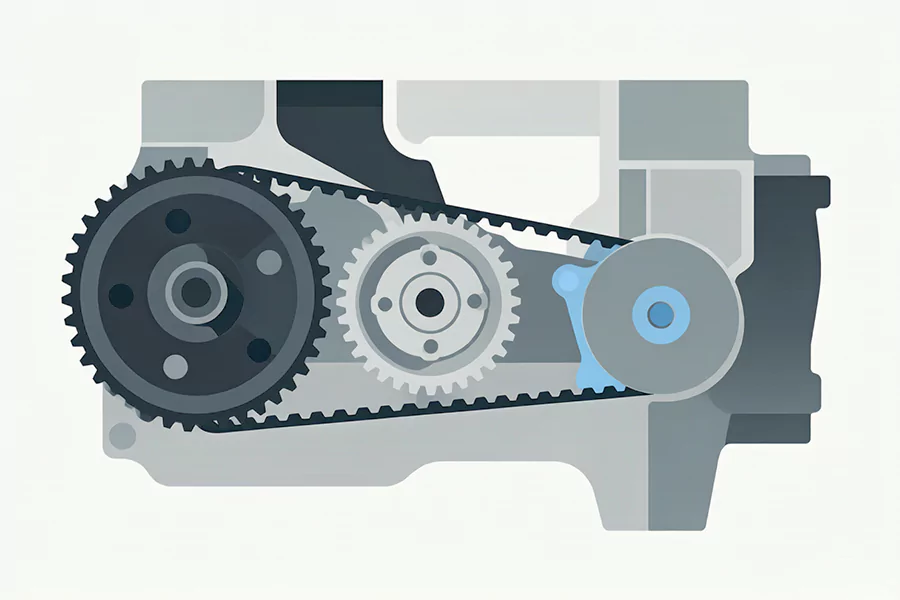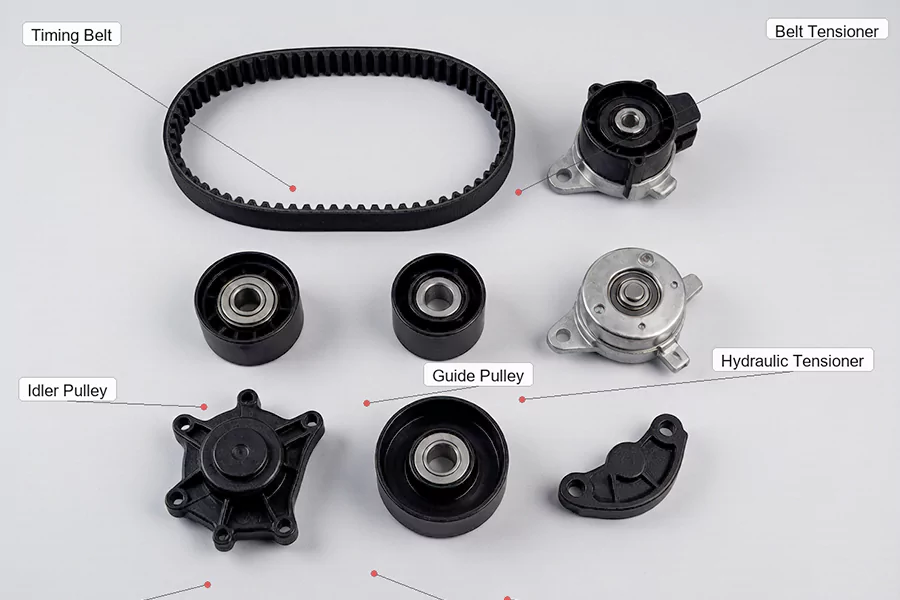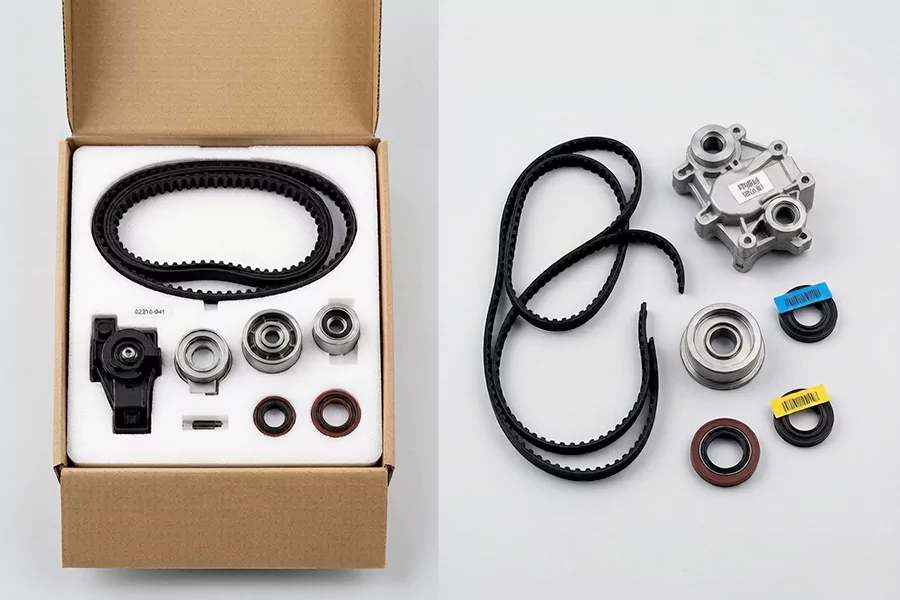
Picking the right engine repair kit isn’t about matching a badge to a box. Same model, different year, different market, sometimes a completely different engine underneath. Get that wrong and the parts come back.
If you move engine parts for a living, the kit has to be right on three things: the application data, the quality of the parts, and the supplier behind it. Miss any one and you’re explaining a return.
A good engine rebuild kit does one job: gives you the parts for that specific engine, with nothing missing and nothing that doesn’t belong.
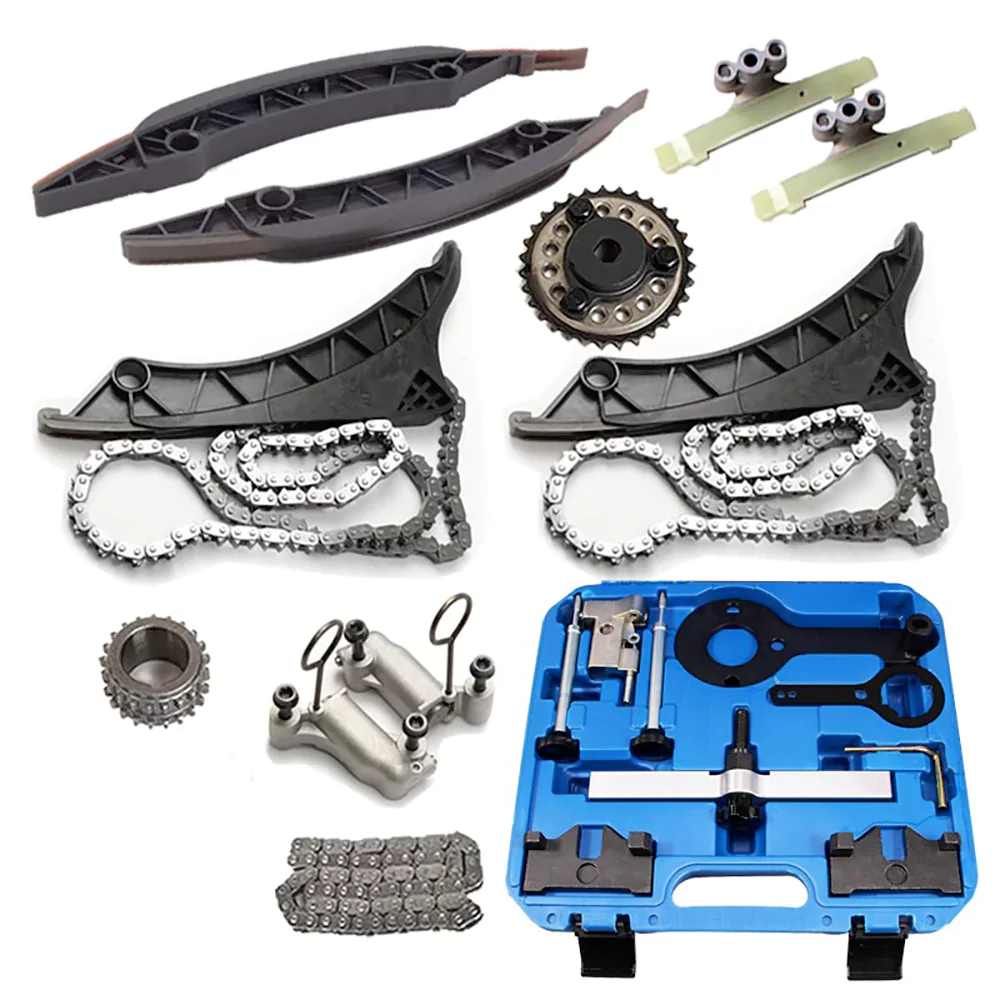
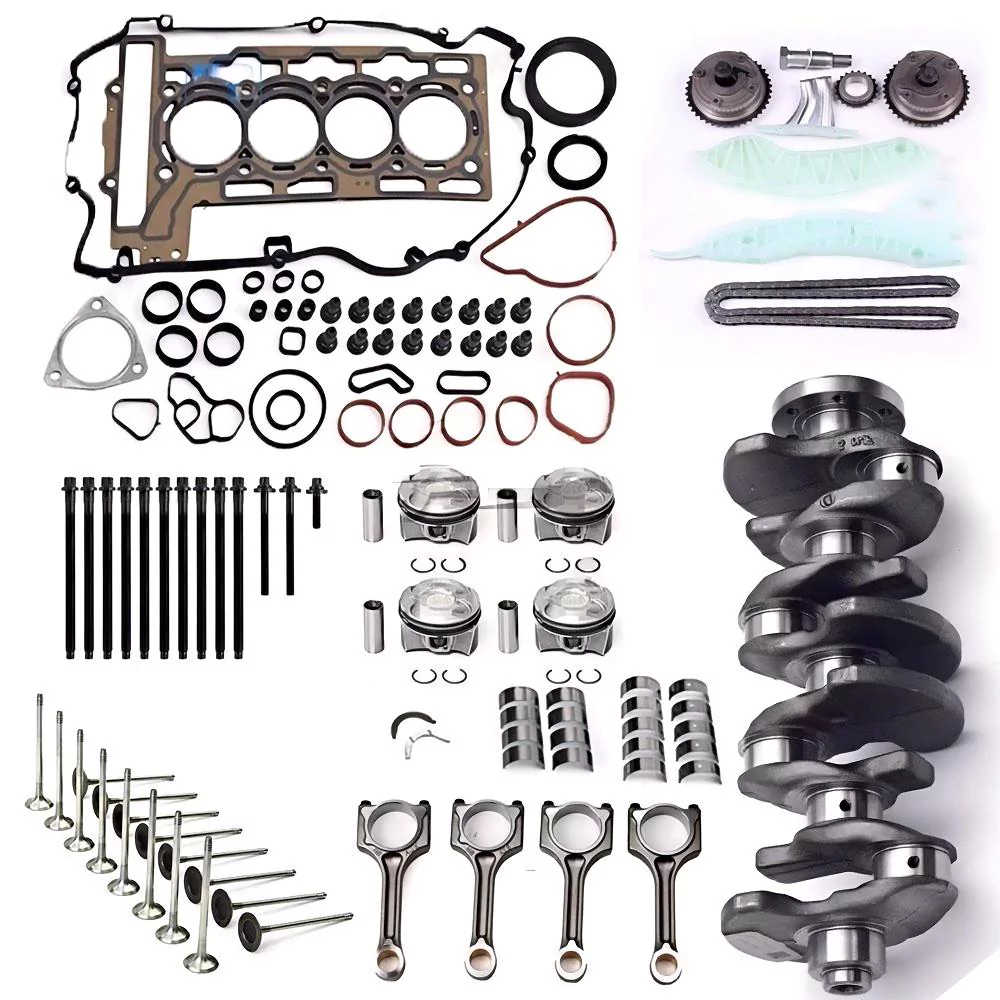
What’s actually in these kits
“Engine repair kit” means different things depending on what’s broken.
Some jobs are about timing. Some are about the bottom end. Some are a full strip-down. The common boxes you’ll see:
- Timing repair kits
- Timing belt and chain kits
- Water pump kits
- Bearing kits
- Engine rebuild kits
They are not interchangeable. A timing belt kit puts the valvetrain back in sync. An engine overhaul kit goes deeper, into the internals. Know which one the customer needs before you quote, or you’ll ship the wrong thing.
For a distributor, keeping these categories clean in the catalog saves everyone time. The counter guy finds the right box faster and you field fewer “this doesn’t fit” calls.
Check the engine, not just the model
The single biggest cause of wrong orders is ordering by model name alone.
Two cars with the same badge can run different:
- displacements
- engine codes
- build years
- fuel systems
- market specs
Same name, different engine family, completely different parts. Before you order, lock down:
Make and model. Year. Engine size. Engine code. The OE number off the old part if you can get it. That last one matters most. The OE reference settles arguments the model name starts.
Why the engine code is the real key
Internal engine parts don’t care what the car looks like. They care about bore, stroke, timing layout, and a hundred dimensions you can’t see from outside.
A parts supplier who only works off “it’s a 2018 sedan” will get you burned. You want one who can hand you the engine code and the exact applications it fits. That’s the difference between a supplier and a box shifter.
For international buyers running stock across regions, good catalog data isn’t a nice-to-have. It’s what keeps the returns down and the customers coming back.
Read the parts list before you buy
Kits with the same name don’t always hold the same parts.
Before you commit, open the contents and check it against the job. Depending on the engine, a repair kit might carry:
Timing parts. Bearings. Gaskets. Seals. Tensioners. Guide rails. A water pump. Sometimes all of it, sometimes a fraction.
A rebuild kit shifts depending on whether you’re doing a partial refresh or tearing the whole engine down. A clear parts list tells you what you’re actually buying, and what you’ll still need to source separately.
Quality: what to look at beyond price
Price decides the order. Quality decides whether you hear about it again.
A failed bearing or a belt that lets go turns a profitable job into a comeback and a warranty claim. Three things separate the kits worth stocking:
Material. A timing belt needs to take heat and flex. Bearings need to survive load. Tensioners need to hold pressure. Seals need to actually seal. A supplier who treats all of these as “just replaceable parts” doesn’t understand engines.
Manufacturing control. Ask what they check. Incoming material, line monitoring, finished-product testing, part marking. If the answer is vague, the batches aren’t consistent.
Information accuracy. The best part in the world is worthless in the wrong engine. Catalog that’s right, OE numbers that match, packaging that’s labeled. That’s the whole supply chain.
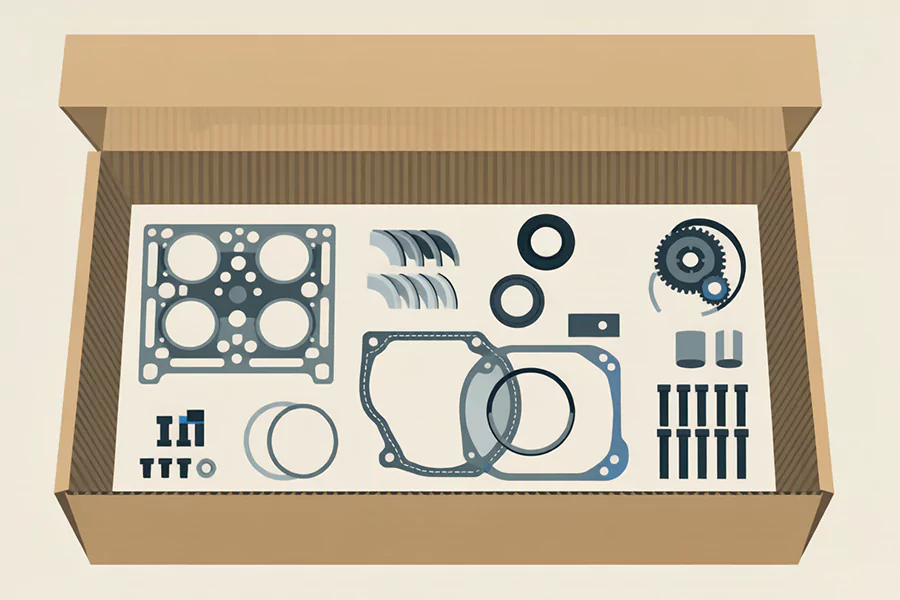
Engine repair kit supplier selection for wholesale buyers
For a distributor, the supplier isn’t a transaction. It’s a relationship you’re stuck with for years.
Look past the catalogue and check what they can actually do:
Coverage. More applications under one roof means fewer suppliers to chase and fewer gaps in your range.
Technical support. Engine fitment gets messy. A supplier who answers compatibility questions fast saves your counter staff real time.
Stable supply. You can’t sell what they can’t ship. Production capacity and inventory planning matter more than a low unit price.
Export experience. If you’re shipping across borders, packaging, paperwork, and knowing what different markets want is half the battle. A supplier who’s done it before makes the whole thing smoother.
Why complete kits win
The trade keeps moving toward complete solutions, and not because of fashion. Shops want less guesswork on the bench. Distributors want ranges that are easier to carry.
A complete kit buys you:
- One order instead of five
- No missing part that stalls the job
- Faster turnaround
- Fewer angry customers
Whether it’s a timing job, a bearing swap, or a full engine rebuild, the right kit configuration is what makes the repair click.
GELWERK: an engine repair kit supplier built for the aftermarket
Engines keep changing and the people who buy the parts need more than a catalogue. They need applications that are right and parts that show up.
GELWERK supplies engine components to distributors, wholesalers, and repair shops worldwide. The range covers timing parts, bearings, and other engine internals built to match specific applications.
They keep a fitment database and check what they ship, because a kit is only as good as the data behind it. Timing repair kit, engine rebuild kit, whatever the job calls for, the point stays the same: every part has to fit the engine it’s sold for, or the box is worthless..