Open an engine and you don’t pick what to replace based on what looks clean. You replace what wears on a clock, what fails once, and what costs more to skip than to do.
If you build engines or supply the people who do, getting the right engine overhaul parts into the shop before the block hits the bench is half the job. Wrong component, wrong undersize, wrong engine code, and the whole rebuild stalls.
A good set of engine rebuild parts means every piece fits the engine it’s going into, period.
What an overhaul actually is
Main bearings sit between the crank and the block. Connecting rod bearings sit between the rods and the crank joAn overhaul means you’re inside the block. Everything comes apart. Every part gets measured, inspected, and either goes back in or gets replaced.
What works against the parts:
- Heat cycles
- Constant friction
- Combustion loads hammering through the rods
- Oil that thins, breaks down, or carries debris
- Mechanical stress that piles up over the miles
How deep you go depends on what the engine looks like when you open it. Mileage. How it was maintained. Whether it suffered a failure or just wore out. The parts list shifts with the condition.
What gets replaced, in order of importance
Every engine is different, but some parts show up on almost every overhaul list.
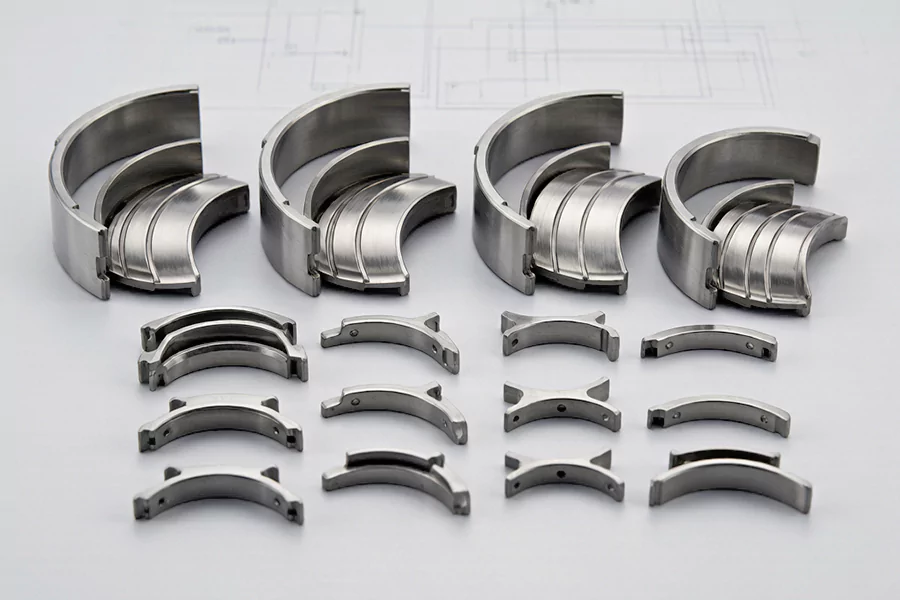
Bearings
Main bearings and rod bearings. If the engine is open far enough to call it an overhaul, the bearings come out. Period.
Bearings wear from normal use and fail harder from oil starvation or debris. What you’ll see:
- Scoring on the bearing surface
- Copper showing through the overlay
- Clearance that’s opened up past spec
Trying to save bearings on a rebuild is false economy. A quality engine bearing kit matched to the engine code and the right undersize avoids the whole thing coming apart again.
Pistons and rings
The pistons take the combustion load and the rings seal it. Rings wear. Cylinder walls wear. Compression drops and oil consumption climbs.
Signs you’re past due:
- Oil use that keeps going up
- Compression numbers that don’t come back
- Smoke out the tailpipe
- Power that’s quietly disappeared
Whether the pistons get replaced or just the rings depends on the bore measurements. Mic the bores before you order parts, or you’ll order twice.
Gaskets and seals
Gaskets aren’t expensive compared to the labor of opening an engine. Reusing an old gasket is the kind of shortcut that leaks later and costs the job.
The usual list:
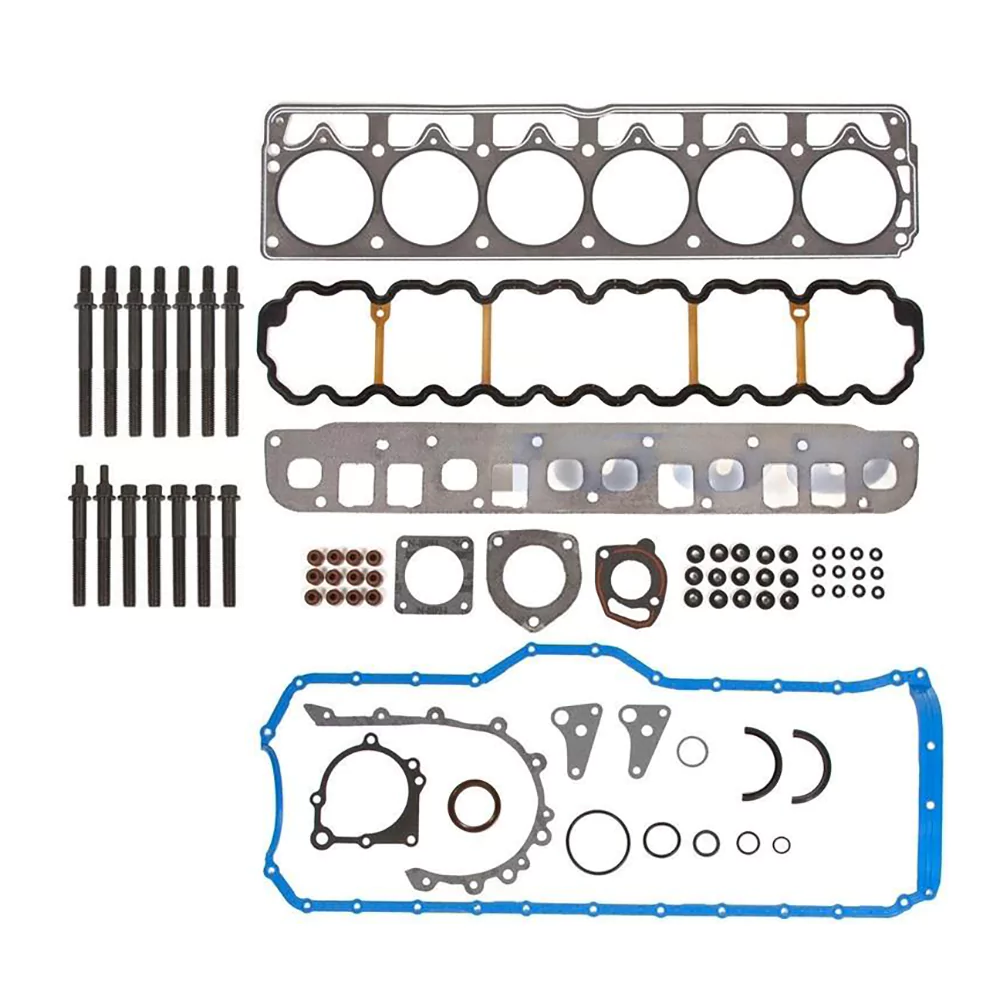
- Head gasket
- Valve cover gasket
- Oil pan gasket
- Intake and exhaust manifold gaskets
- All the seals you can touch while the engine’s apart
A fresh gasket set after a rebuild is table stakes. Skip it and you’ll chase leaks from day one.
Timing components
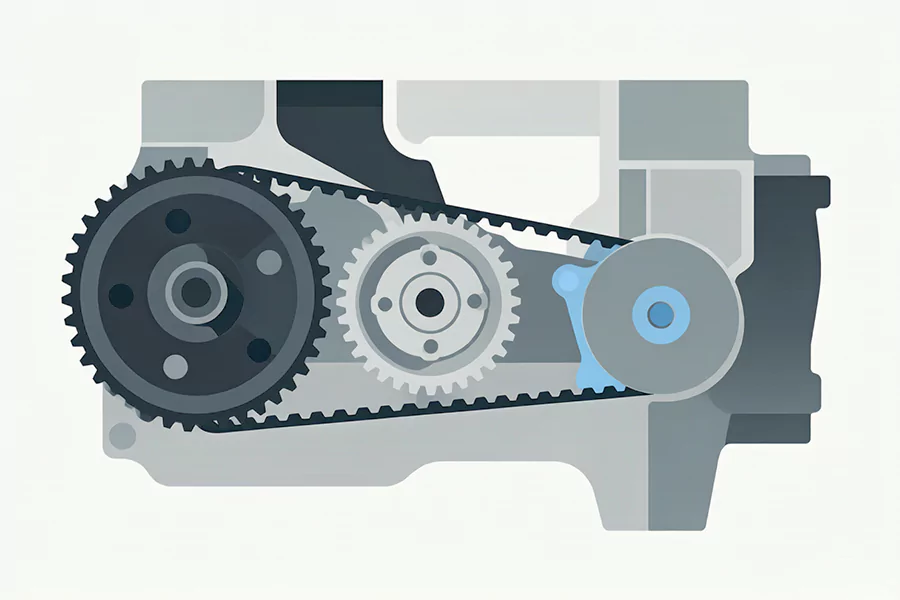
While the engine is open, the timing side gets looked at. Depending on what it runs:
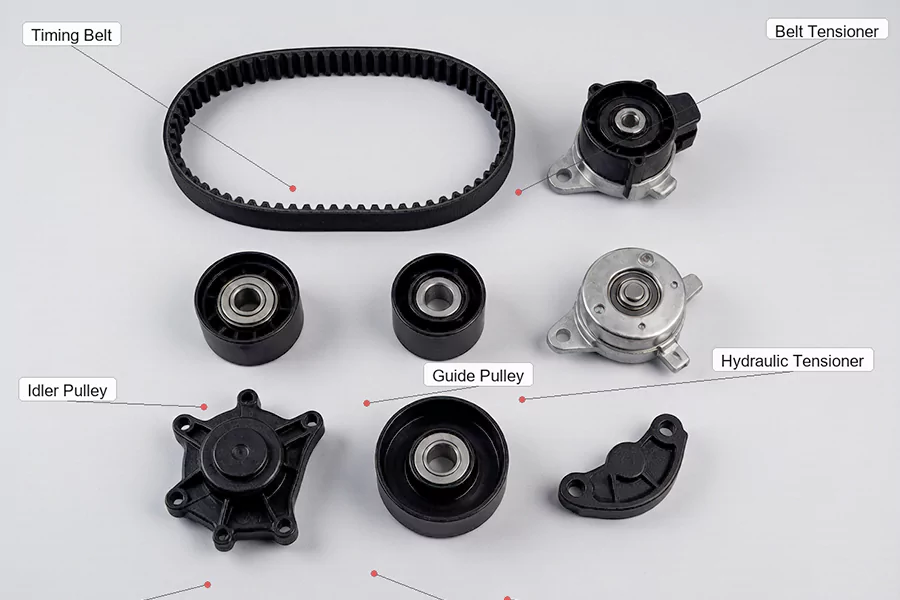
- Timing belt and tensioner
- Timing chain and guides
- Pulleys and sprockets
- The tensioner, which is almost always tired by the time the engine needs an overhaul
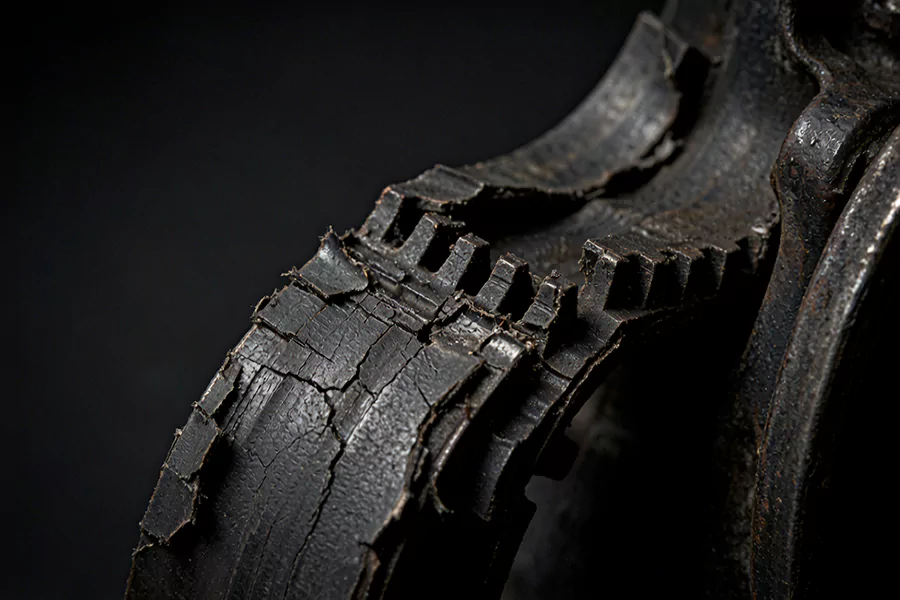
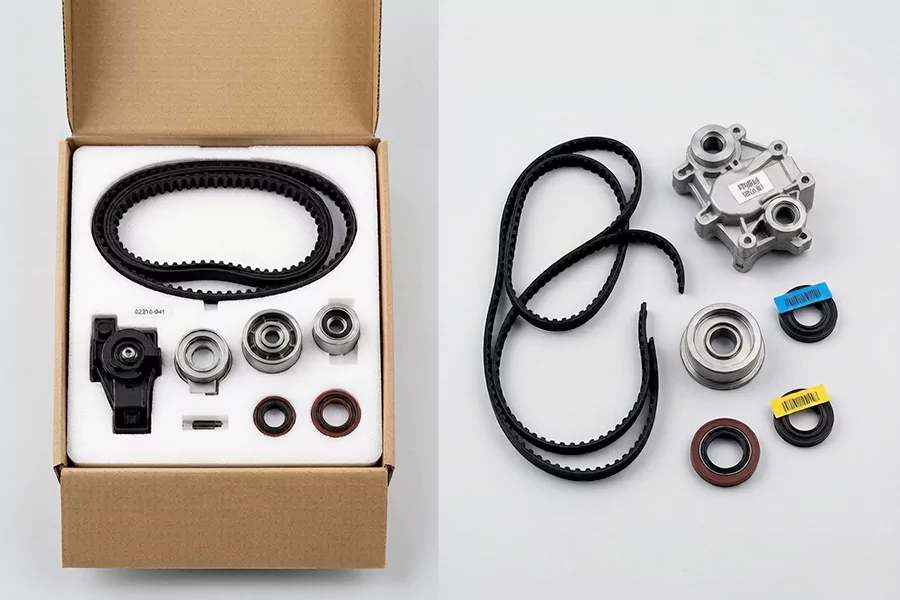
A timing repair kit goes in with the rebuild, especially on anything with real mileage. A new belt on a worn tensioner is a comeback.
Water pump
If the pump is driven by the timing belt or buried behind the front cover, you replace it while you’re there. You already paid for the access. A timing belt water pump kit makes sense because opening the front end twice is a waste of labor.
Oil pump
The oil pump feeds everything you just rebuilt. If it’s worn and pressure is low, the new bearings won’t last.
Check the oil pump during the tear-down. If there’s any doubt, replace it. New bearings on weak oil pressure is asking for a warranty claim.
Why full overhaul kits win
Buying individual parts from different suppliers means chasing SKUs, waiting on back orders, and hoping everything fits.
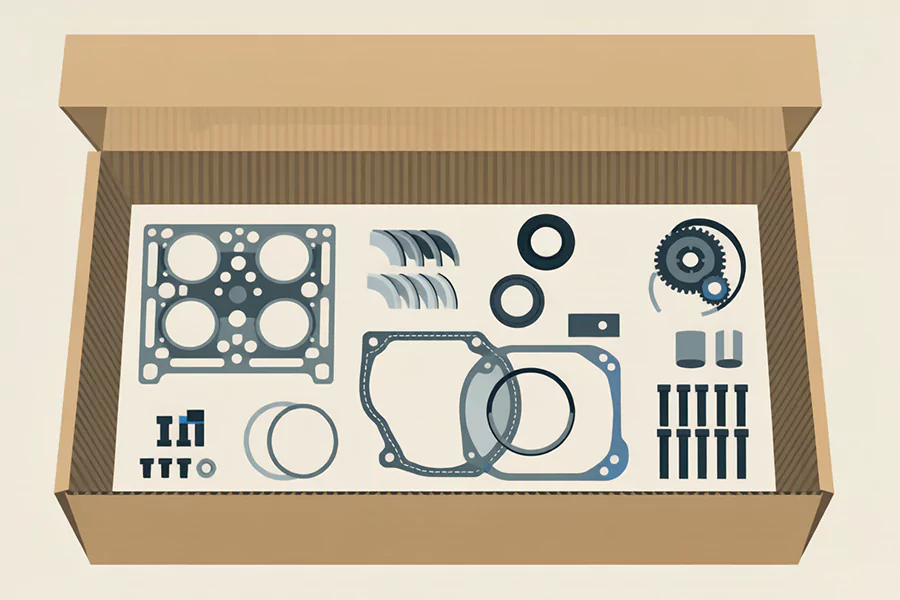
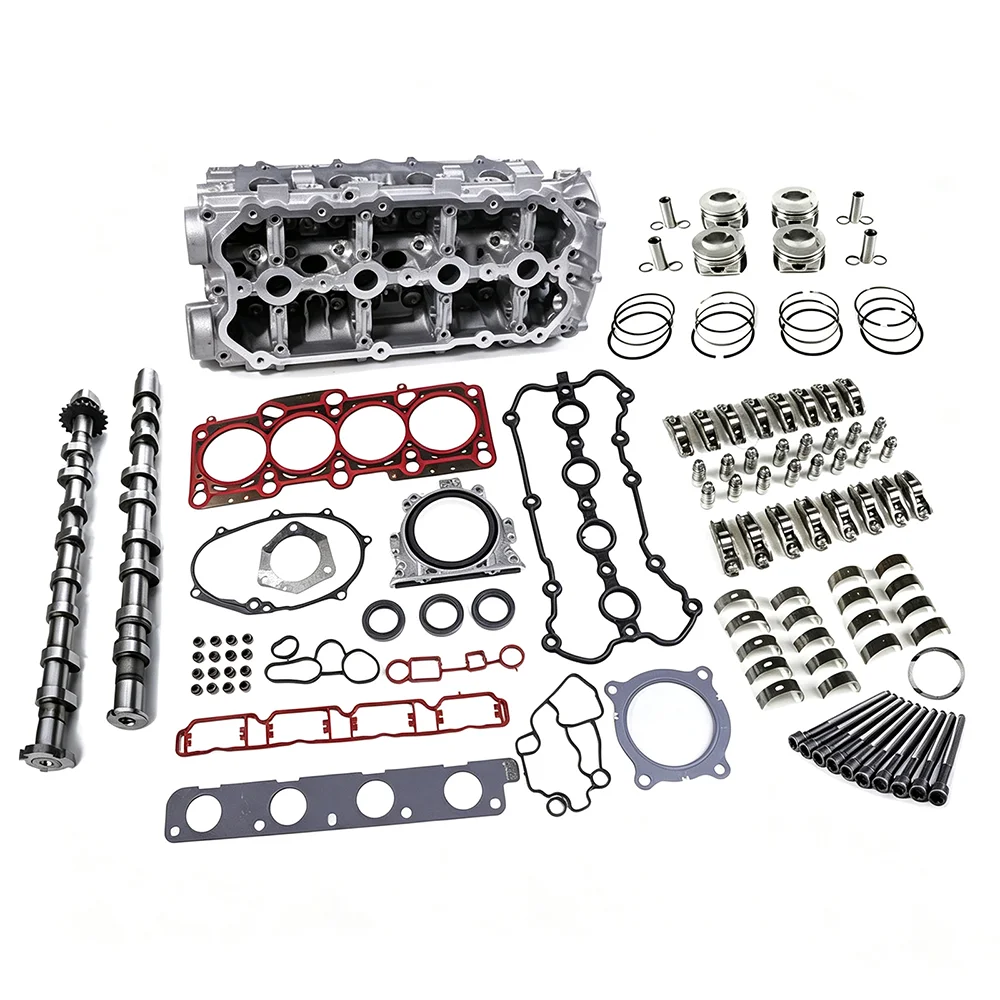
A complete set of engine overhaul parts matched to one engine code cuts out most of that headache:
- The parts are spec’d for the same application
- The shop isn’t waiting on one missing gasket
- The distributor carries fewer line items
- Fewer fitment problems when everything was picked by the same supplier
Kits aren’t always cheaper per part, but they’re cheaper once you factor in labor and returns.
What to check before you order engine rebuild parts
Engine internals are not interchangeable. Ordering by model name alone is how parts come back.
Before you buy, lock down:
Engine code. Displacement. Year. The undersize spec. The OE numbers. Whether it’s a partial refresh or the full bottom end.
A supplier who needs you to figure out the application isn’t a supplier. They’re a warehouse.
Engine repair components: picking a supplier
For wholesalers and distributors, the supplier matters more than the unit price.
Things that separate a real supplier from a catalogue:
- Do they cover the engine codes your customers actually ask for?
- Are the parts consistent batch to batch?
- Can they supply gaskets, bearings, timing parts, and seals from one source?
- Do they handle undersizes and size variations?
- Is the packaging clear enough for warehouse staff to pick without mistakes?
Engine rebuild parts are unforgiving. The customer finds out the kit is wrong when the engine is back together, not when the box arrives. Get the application right or the sale is worth nothing.
GELWERK: engine overhaul parts built around the engine
GELWERK supplies engine repair components to distributors, wholesalers, and rebuild shops worldwide. The range covers bearings, timing parts, gaskets, seals, and other engine internals, matched to specific engine applications.
They keep a fitment database and check what ships, because a rebuild kit that doesn’t fit is a problem the shop doesn’t discover until the engine is on the stand. Engine rebuild parts, engine overhaul parts, whatever the job calls for, the rule is the same: every component has to fit the engine it’s meant for, or the box is worthless.